Dark Web OSINT: Infiltrating a Narcotics Syndicate's Onion Site
📌 Project Description
Operating within the Dark Web requires strict Operational Security (OpSec) and an advanced understanding of cryptographic obfuscation. This project demonstrates a comprehensive Threat Intelligence operation aimed at dismantling the remnants of a major UK-based drug trafficking network.
The objective was to infiltrate a newly established .onion hidden service used by the syndicate’s mastermind. The mission required bypassing custom authentication mechanisms, deciphering hexadecimal and Base64 communications, tracking illicit financial transactions, and uncovering physical congregation points using steganography.
🛠️ Tools & Methodology
- Tools: Tor Browser, Virtual Private Network (VPN), Browser Developer Tools (Console), CyberChef, Online Steganography Decoder.
- Concepts: Dark Web Navigation, Operational Security (OpSec), DOM Manipulation / Authentication Bypass, Cryptography (Base64 & Hexadecimal), Steganography Extraction.
🏢 Operational Scenario
Following the successful takedown of a major narcotics marketplace on the TOR network, critical intelligence indicated that one of the mastermind developers evaded capture. They established a covert hub to “tell stories” of criminal exploits while secretly continuing their operations.
As a Threat Intelligence Analyst assisting law enforcement, my mission was to infiltrate this hidden platform (http://panznjcktrpezyln...), gather hard evidence of their continued involvement in drug trafficking, and extract actionable intelligence regarding their physical locations and financial transactions.
🚀 Investigation Phases
Phase 1: OpSec & Platform Infiltration
- Strict OpSec Posture: Before attempting to access the
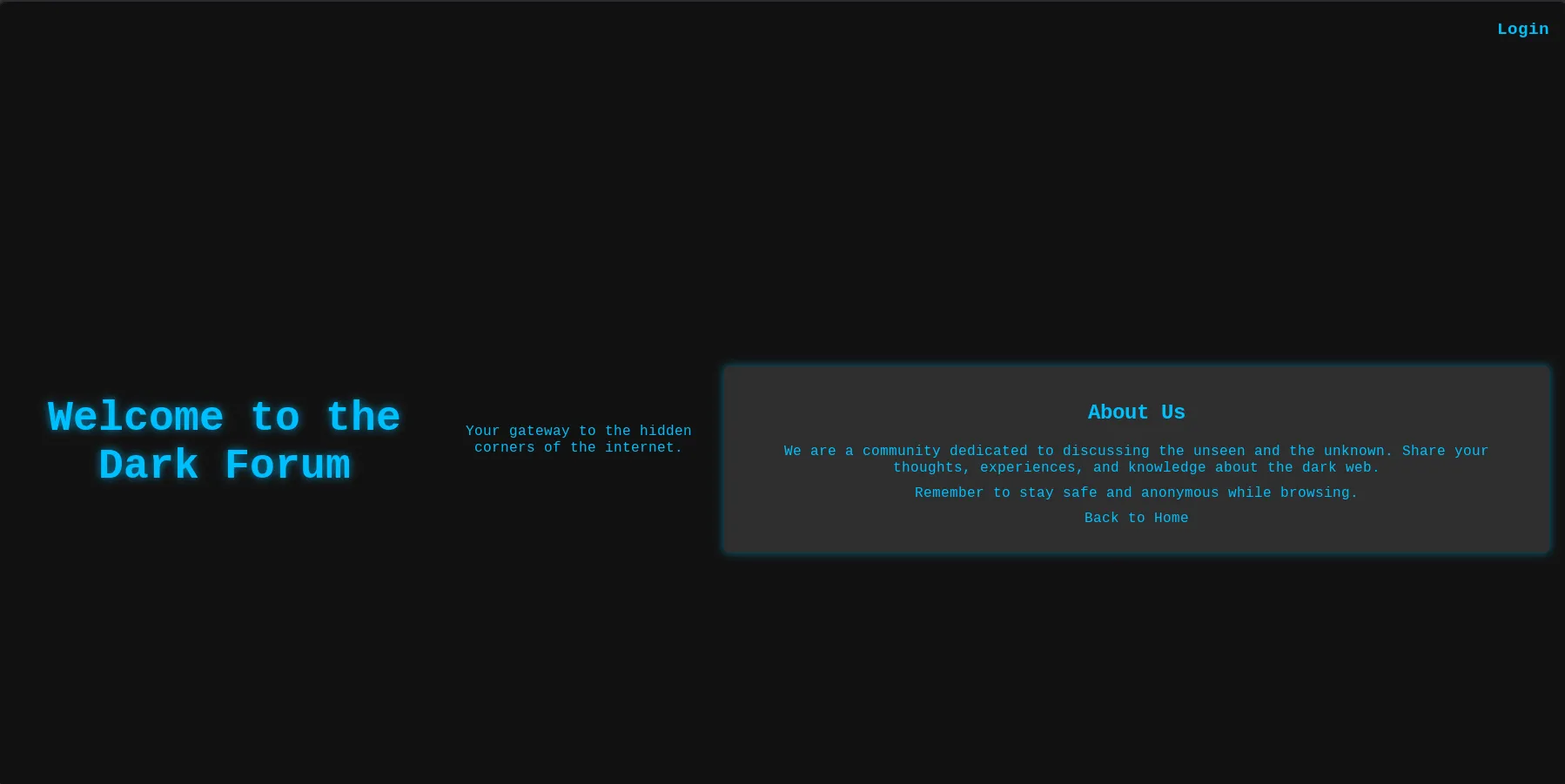
.onionaddress, I established a secure environment by routing my host machine through a hardened VPN before launching the Tor browser. This ensured my ISP could not detect my Tor node connection. - Authentication Bypass: Upon reaching the landing page, I was presented with a login barrier. Suspecting a client-side vulnerability, I right-clicked and selected “Inspect Element” to access the browser’s Developer Tools.
- Credential Generation: Navigating to the
Consoletab, I executed a hidden internal function:generateUserCredentials(). The script returned a Base64 encoded string. I utilized CyberChef (using the From Base64 recipe) to decode the payload, successfully extracting valid login credentials (KF7ybuD1:Alyhfot0V9VIWm6W) and infiltrating the platform.
Phase 2: Cryptographic Decoding & Network Mapping
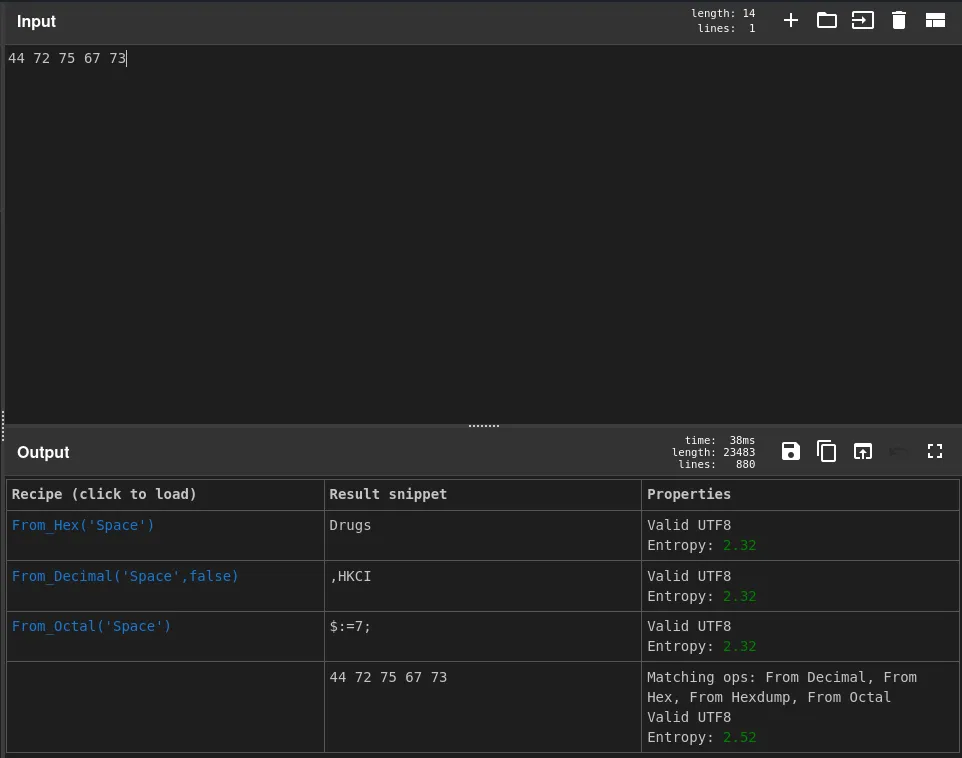
- Deciphering Pinned Posts: Once inside the dashboard, I noticed three pinned posts whose titles were obfuscated in hexadecimal strings. I extracted these strings and ran them through CyberChef (From Hex), revealing the ASCII titles: “Drugs”, “Pleasure”, and “Drops”. This provided immediate evidence of their ongoing illicit activities.
- Syndicate Cross-Referencing: Monitoring the internal message board, I investigated a post by a user named
Basilisk95. Following a hyperlinked breadcrumb in their message, I uncovered a connection to another hidden site operated by a notorious hacking group known as Midnite, expanding our intelligence on the syndicate’s cyber affiliates.
Phase 3: Financial Forensics & Identity Deanonymization
- Transaction Log Discovery: Scouring the site’s layout, I identified a critical Operational Security flaw made by the site administrator. Under the “Recent Transactions” section, a hyperlink labeled
$7,000was mistakenly left publicly accessible. - Evidence Extraction: Clicking the link exposed a highly sensitive digital invoice, revealing a customer’s full name, private email address, and the specific illicit purpose of the massive transaction.
- Stolen Goods Trade: In a separate forum thread regarding the sale of stolen car parts, I found another hexadecimal string embedded in the post. Decoding this string exposed the exact email address used by the illicit vendor to conduct business.
Phase 4: Steganography & Physical Location Tracking
- The Party Lead: A user named
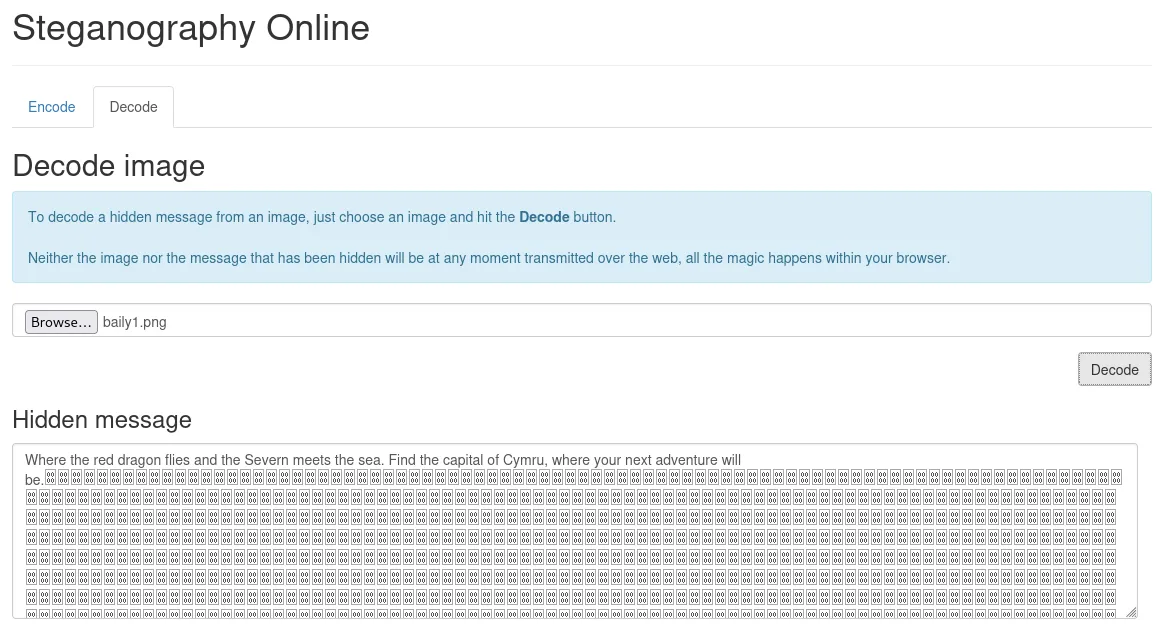
PJposted an invitation regarding an upcoming illegal gathering—a prime opportunity for law enforcement to conduct a physical raid. However, the location was hidden. - Steganography Extraction: I downloaded the promotional image attached to PJ’s post and processed it through an open-source Steganography Decoder (
stylesuxx.github.io). - Solving the Cipher: The extraction process did not yield a direct address, but rather a textual riddle. By analyzing the geographic and cultural clues within the riddle, I successfully pinpointed the exact city where the criminal gathering would take place: Cardiff, UK.
🎯 Results & Key Takeaways
- Client-Side Vulnerability Exploitation: Demonstrated the ability to inspect Document Object Models (DOM) and execute hidden JavaScript functions via the browser console to bypass custom authentication on the Dark Web.
- Advanced Cryptanalysis: Showcased high proficiency in rapidly identifying and deciphering multiple layers of obfuscation (Base64 and Hexadecimal) to extract cleartext intelligence.
- Digital to Physical Tracking: Successfully bridged the gap between cyberspace and the physical world by extracting hidden steganographic data and solving a geographic riddle, providing law enforcement with an actionable location (Cardiff) for a physical raid.